
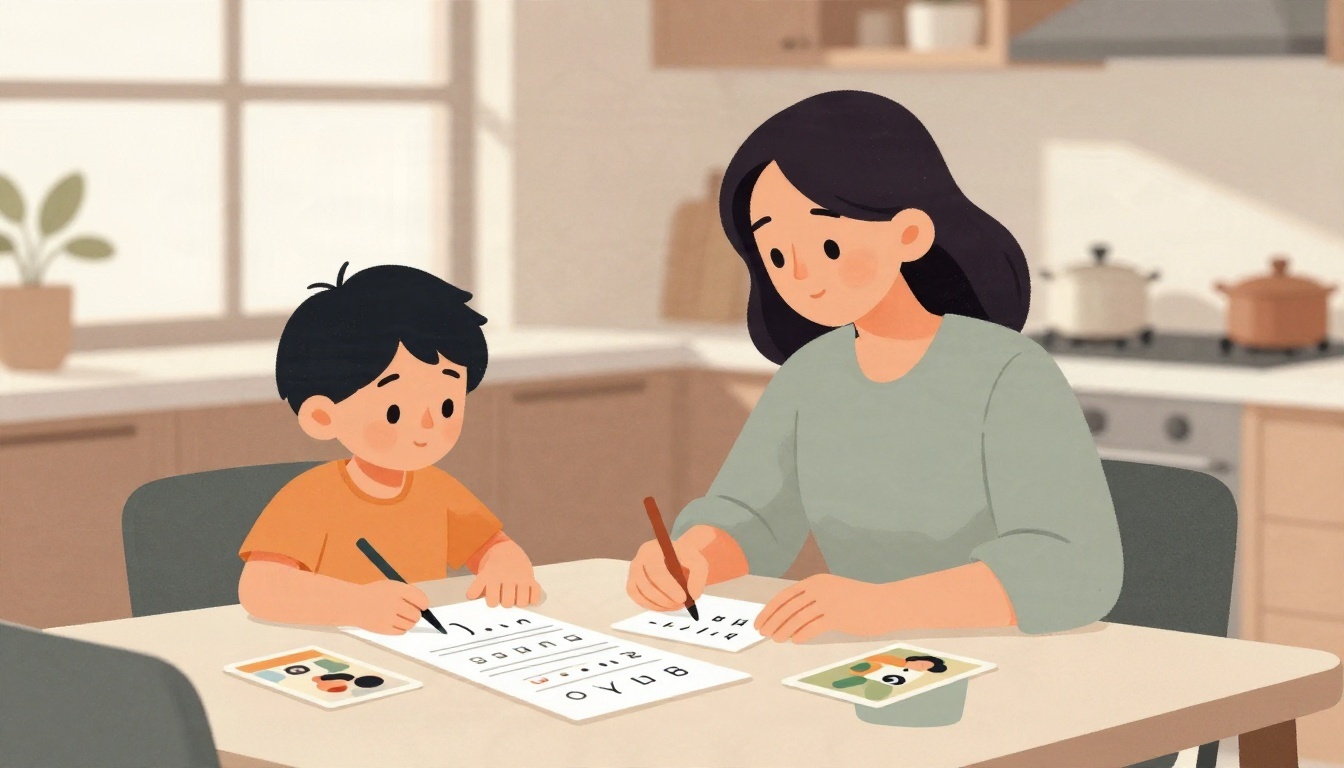
When school-based speech therapy pauses for a break, the worry is real: skills that took months to build can slip. The fix is not a second job for you as a parent. It is a small, repeatable plan that keeps practice going in everyday routines, plus a check on what support is still available while school is out.
What does Children's National recommend asking your child's school about when school-based therapy pauses for summer break?
Select one answer.
Why speech skills can slip during breaks
When therapy or practice stops, children may temporarily lose skills they worked hard to develop. The reasons are practical: less structured routines than during the school year, fewer opportunities to communicate in varied settings, and limited daily practice of speech or language skills. Even short breaks can cause a child to forget sounds, words, or communication strategies they were using confidently, according to On The Grow Speech Therapy.
Children's National notes that when school-based therapy services pause for summer break, some students experience skill regression, and continuing practice over the summer can help maintain progress, reduce learning loss, and support a smoother return to school in the fall (Children's National).
First, check what school and community options still exist
Before you build a home plan, find out what is already available. Ask your child's school about Extended School Year (ESY) services and whether eligibility is determined by the IEP team. You can also ask about school-run summer therapy programs. If school options are limited, talk with your pediatrician about local clinics, community organizations, and summer therapy camps (Children's National).
This step matters because it tells you how much you need to carry at home, and whether a short block of professional sessions over the break is worth arranging.
Build a 10–15 minute daily practice routine
Consistency matters more than length. Even 10–15 minutes per day of focused practice can make a big difference, and consistency helps children maintain skills learned during therapy (On The Grow Speech Therapy).
Use this checklist to set it up:
- Pick a fixed time tied to an existing routine, such as after breakfast or before bedtime stories.
- Choose one target at a time. Ask your child's therapist which sound, word set, or language skill to practice now.
- Keep it playful. Games, reading aloud, singing, and daily activities can reinforce speech and language skills naturally.
- Use visual supports. Picture cards, charts, and visual schedules can help children understand routines and support vocabulary and word retrieval (Care First Rehab).
- Fold practice into chores and errands. Cooking, cleaning, and shopping give natural chances to follow directions, sequence steps, and use descriptive language.
- Stop while it is still fun. A short, positive session beats a long, frustrating one.
Use parent coaching instead of guessing
Parents play a vital role in generalizing skills, and simple prompts and strategies at home help children retain new words, sounds, and language patterns (On The Grow Speech Therapy). Ask your child's speech-language pathologist for a short written list of prompts you can use, and ask them to show you how to cue rather than correct.
If your child uses an augmentative and alternative communication (AAC) device, make it part of everyday activities. Frequent use supports communication and prevents skill loss.
Watch for signs your child needs more support
Some children need more than a home routine during a break. Watch for these signs that your child might need extra support:
- Stopping use of recently learned words or sounds
- Difficulty following directions or communicating needs
- Frustration or decreased confidence when speaking
If you see these, consider short therapy sessions. Even one to two sessions per week over the break can maintain gains and prevent regression, and summer therapy sessions can keep children building skills in a focused, structured way (On The Grow Speech Therapy).
A simple break-week plan you can start today
- Call or email the school about ESY eligibility and any summer therapy programs.
- Ask your child's therapist for one or two current goals and the exact prompts to use.
- Put a 10–15 minute practice slot on the calendar for each day.
- Gather visual supports: picture cards, a simple visual schedule, or the child's AAC device.
- Plan two or three routine-based practice moments, such as cooking or a bedtime story.
- Note any signs of regression and share them with your therapist or pediatrician.
How the Featured Expert Can Help
Domino Therapy offers speech therapy services for families, schools, and therapists, with both in-person and virtual support based in Philadelphia, PA. The practice focuses on enhancing communication skills and professional growth. If you want help setting up a break plan or arranging sessions during a school break, you can learn more at Domino Therapy.
Quick quiz: What does Children's National recommend asking your child's school about when school-based therapy pauses for summer break?
- Extended School Year (ESY) services and eligibility determined by the IEP team
- A new report card for the summer months
- A change of classroom teacher for the fall
Correct answer: Extended School Year (ESY) services and eligibility determined by the IEP team.