
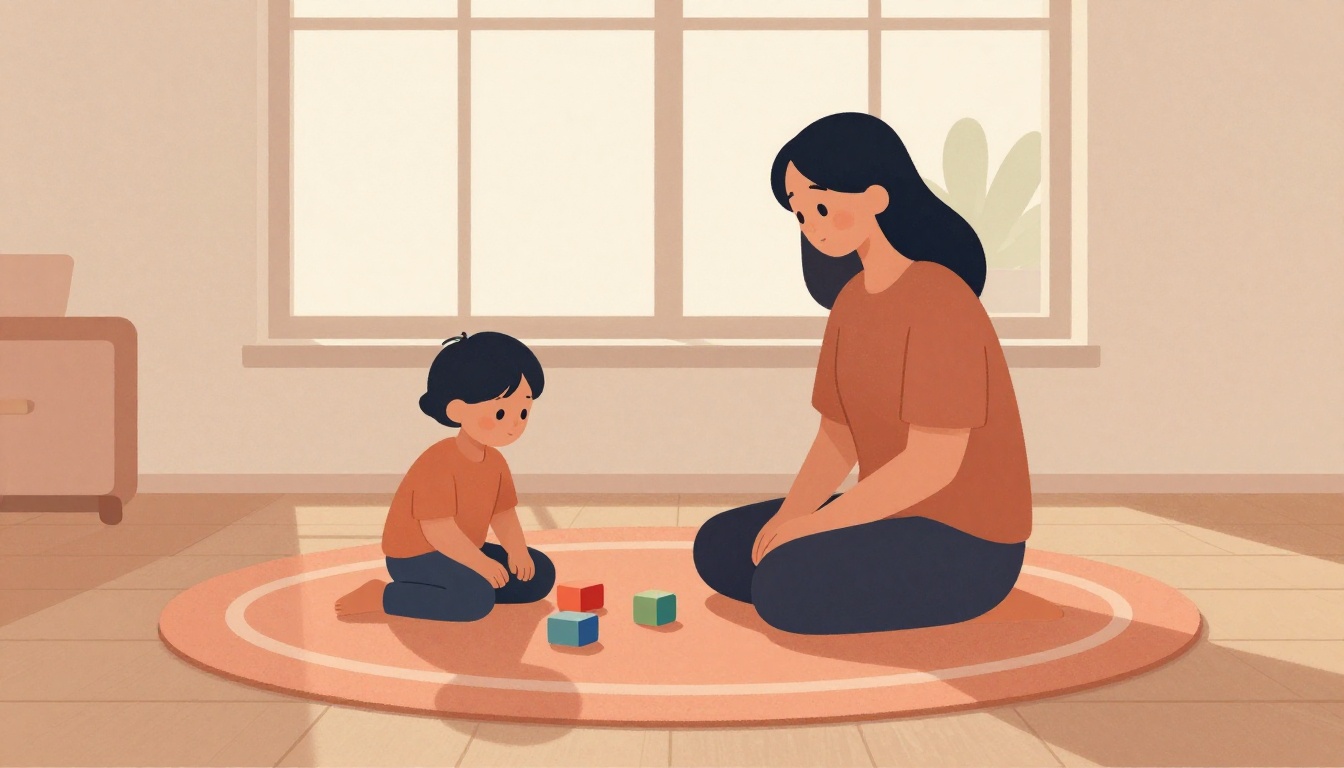
If home speech practice feels like a battle, you're not alone. Many parents find that the exercises their child's speech-language pathologist (SLP) recommends get pushed aside by busy schedules, resistance, or simply not knowing where to start. The good news: reinforcing speech goals at home doesn't require elaborate setups or hours of extra time. Research shows that parents can meaningfully improve their child's speech and language development with short, consistent practice woven into daily routines (Expressable). The key is to make practice feel like play, not homework.
What is the recommended duration for a home speech practice session?
Select one answer.
Start with a consistent, short routine
Consistency matters more than duration. Speech therapy sessions typically happen once or twice a week, but children need daily reinforcement to build new skills (Forbrain). Aim for 10 to 15 minutes, once or twice a day, in a quiet, well-lit space with minimal distractions (Neuro Skills). Anchor practice to a smooth moment in your day—after breakfast, in the car, or before bedtime—so it becomes a predictable part of the routine (Bjorem Speech).
Use everyday activities as practice opportunities
You don't need special materials. Mealtimes, bath time, and car rides are perfect for reinforcing speech goals. During breakfast, practice articulation while naming foods; in the car, play word-finding games (Expressable). For example, if your child is working on the /k/ sound, play "I Spy" for objects that start with that sound. If the goal is using two-word phrases, model "more milk" or "pass spoon" during meals (Spectrum of Smiles).
Offer choices and make it fun
Resistance often comes from feeling out of control or bored. Give your child two good choices: "Do you want the dinosaur game or the sticker game?" This simple technique motivates toddlers and young children to participate (MD Searchlight). Wrap practice inside play—hide repetitions in a game where each try earns a block, and five blocks means knocking down a tower. Use fast rewards like stickers or silly dances, and offer specific praise: "You used your clear /s/ in five words!" (MD Searchlight).
Lead by example and use positive feedback
Children learn by imitating. Model correct speech by saying target words slowly and clearly during conversations, and encourage your child to repeat after you in a stress-free way (Unlimited Teletherapy). Celebrate small successes—whether it's pronouncing a word correctly for the first time or improving clarity. Positive reinforcement builds motivation and confidence (Unlimited Teletherapy).
Collaborate with your SLP
Your child's speech-language pathologist is your best resource. Ask for specific goals and exercises to practice at home, and clarify any doubts about techniques. Stay connected to ensure you're reinforcing the right strategies (Unlimited Teletherapy). Write down your child's speech-language goals and post them on the fridge as a reminder for the whole family (ASHA Leader).
Quick checklist for home practice
- Pick a consistent time (after snack, before bed) and stick to it.
- Keep sessions short: 10–15 minutes, once or twice a day.
- Use everyday moments: meals, car rides, bath time.
- Offer two choices to give your child control.
- Wrap practice in play: games, stickers, silly dances.
- Model correct speech and encourage imitation.
- Celebrate small wins with specific praise.
- Check in with your SLP regularly for guidance.
How the Featured Expert Can Help
Domino Therapy offers speech therapy services for families, schools, and therapists, with both in-person and virtual support based in Philadelphia, PA. Their focus on enhancing communication skills and professional growth makes them a versatile partner for parents and educators. To learn more about how they can support your child's speech goals, visit Domino Therapy.
Quiz: Test your knowledge
What is the recommended duration for a home speech practice session?
- 10 to 15 minutes, once or twice a day
- 45 minutes, once a week
- 5 minutes, every other day
Correct answer: 10 to 15 minutes, once or twice a day (per Neuro Skills).