
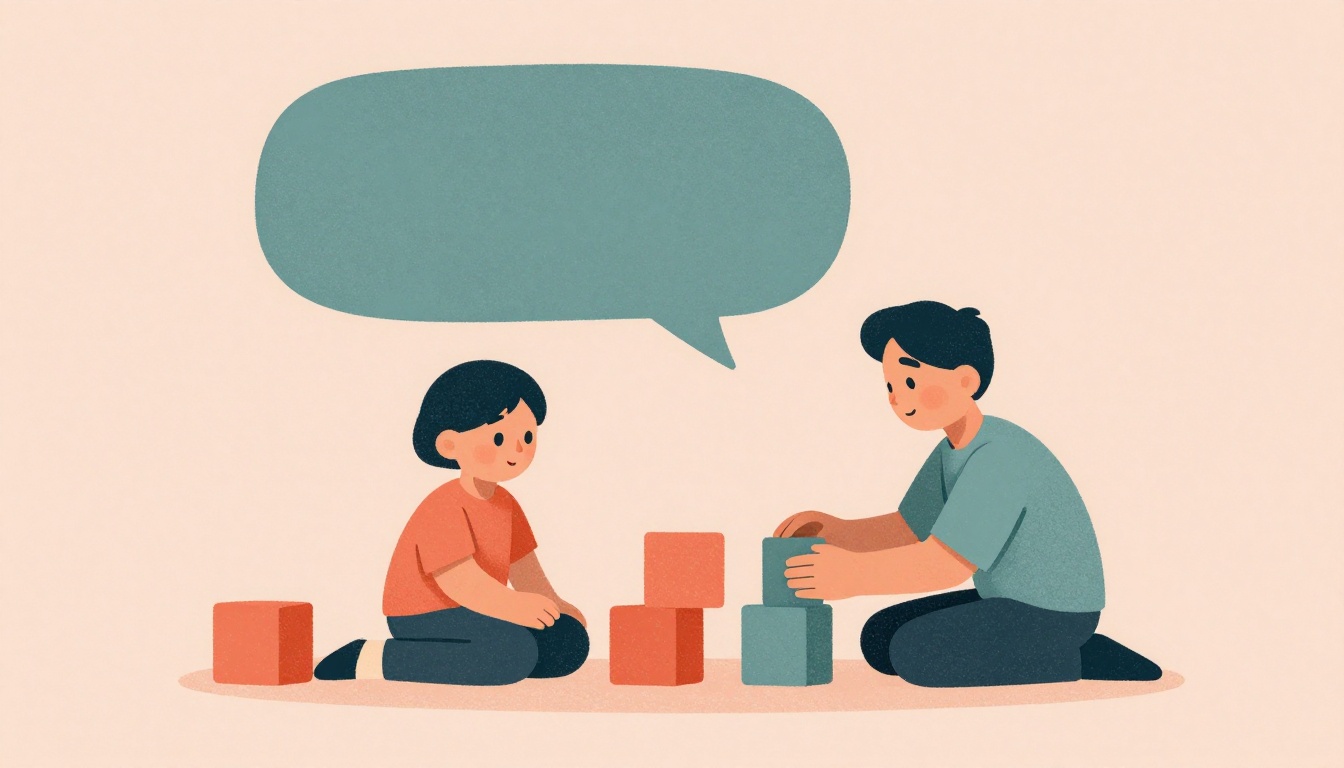
If your child resists speech therapy homework, you're not alone. Many families struggle with practice between sessions, but research shows that when children are engaged and motivated, they're more receptive to learning and more likely to retain information. The good news: you don't need fancy materials or extra prep time. Simple, play-based strategies can transform practice from a chore into something your child actually looks forward to.
Which of these is a proven way to make speech therapy homework more engaging?
Select one answer.
Why gamification works
Gamification—adding game elements like points, levels, challenges, and rewards—addresses one of the biggest hurdles in speech therapy: maintaining a child's interest during repetitive practice. Studies indicate that games positively affect children's motivation to continue speech therapy, and gamified activities can double the number of practice trials in a session. When practice feels like play, children participate actively and for longer periods, which leads to faster progress.
5 no-prep activities to try tonight
These ideas come from speech-language pathologists and require zero printing or cutting. Pick one that matches your child's interests and energy level.
1. Toy talk
Let a favorite stuffed animal or action figure "talk" using the target sound. For example, if your child is working on the /s/ sound, have a teddy bear ask for a "soapy bath" or a "soft hug." Your child can even become the teacher and "teach" the toy how to say the sound correctly. This turns practice into imaginative play.
2. Hide-and-seek words
Hide small objects around the room that match target words. If your child is practicing the /k/ sound, hide a toy car, a cup, or a key. Each time they find one, they say the word before keeping it. This active game keeps kids engaged and adds a sense of discovery.
3. Silly snack time
Mealtimes are perfect for practice. Pick a snack with a target sound—like "crackers" for /k/ or "cheese" for /ch/—and have your child say the word before taking a bite. Pretend to be a "talking chef" or let them "order" their food using their best speech sounds. This integrates practice into a daily routine without extra time.
4. Obstacle course challenge
Set up a simple obstacle course with pillows, chairs, or toys. Each time your child completes a step, they say a target word or sentence as a "password." Movement helps keep them engaged, and you can use a word list from your speech therapist if needed.
5. Catch and say
Play a simple game of catch with a soft ball or stuffed animal. Each time someone catches the ball, they say a target word. This works well for siblings too—brothers and sisters can join in and make practice more fun.
Quick tips for keeping motivation high
- Let your child choose the day and time to practice. Giving them control empowers them and increases buy-in.
- Use their favorite characters from TV shows or movies. Talking about these characters gets kids excited to practice.
- Keep sessions short—10 to 15 minutes is plenty. Weave practice into bath time, car rides, or play.
- Offer choices like "Do you want the blocks or the bubbles?" This is one of the most effective ways to motivate toddlers and young children to use language.
- Celebrate effort, not perfection. Positive reinforcement, like a small snack or a sticker, can go a long way.
When to ask for help
If you're struggling to get your child to practice, talk to your speech therapist. They can provide a homework folder with activities your child is ready to do at home, and they may recommend websites with printable worksheets or quick online games. Many therapists also use digital gamified platforms that track progress and provide instant feedback, which can be especially motivating for kids.
Quiz: Test your knowledge
Which of these is a proven way to make speech therapy homework more engaging?
- A. Using a child's favorite toy to model target sounds
- B. Requiring longer practice sessions for better results
- C. Avoiding games to keep focus on drills
Correct answer: A. Using a child's favorite toy to model target sounds is a gamification strategy that increases motivation and engagement.
How the Featured Expert Can Help
Domino Therapy offers speech therapy services for families, schools, and therapists, with both in-person and virtual support based in Philadelphia, PA. Their focus on enhancing communication skills and professional growth makes them a versatile partner for parents and educators. Visit Domino Therapy to learn more about their services and how they can support your child's speech journey.